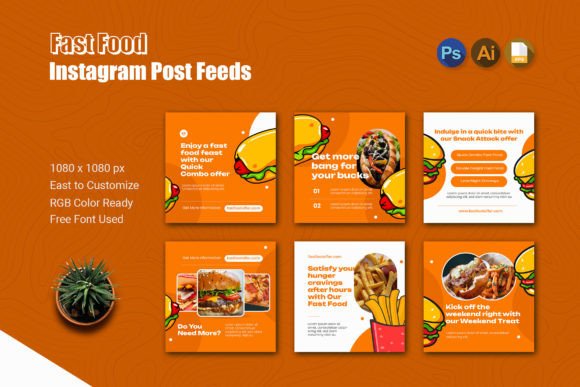
Grab Attention with a Fast Food Instagram Post Template
Scrolling through Instagram, your thumb moves fast. For a fast food brand, a restaurant, or a food blogger, stopping that scroll is everything. It’s not just about showing a burger; it’s about creating a moment. A well-designed Fast Food Instagram Post template does more than display a product—it sells an experience, a craving, a brand story in a single glance. If your current posts feel flat or get lost in the noise, it’s time to rethink your visual strategy. This isn’t about having the most expensive camera; it’s about having a smart, flexible design system that makes every post look professional and engaging.
Why Your Food Content Needs More Than Just a Good Photo
A stunning photo of a loaded pizza or a dripping taco is a great start, but on a crowded platform like Instagram, it’s rarely enough. The context, typography, and overall composition are what transform a simple food picture into compelling marketing. Think about the posts that make you actually tag a friend or save for later. They typically have a few things in common: a clean, readable layout that highlights the offer or message, consistent branding that makes the source instantly recognizable, and a design that feels native to the platform. This is where a dedicated template shines. It provides the structural backbone—the perfect 1080x1080 pixel canvas—so you can focus on your message and imagery.
More Than a Post: A Toolkit for Visual Branding
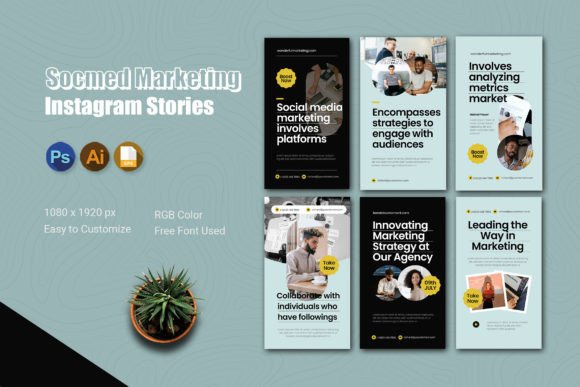
Imagine having a cohesive set of six distinct post layouts at your fingertips. That’s the core value of a multi-page template pack. It’s not a single one-off design; it’s a mini design system. One template might be perfect for announcing a daily special with bold, eye-catching text. Another could be structured as a carousel for a "how-it's-made" story. A third might offer a clean frame for user-generated content. This variety prevents your feed from looking repetitive while maintaining a unified aesthetic. The included files—AI, PSD, and EPS—mean you’re not locked into one software. Whether you’re a designer comfortable in Adobe Illustrator or a small business owner using Photoshop, you have full control. You can swap out the placeholder images with your own high-quality shots, adjust the color palette to match your brand’s hex codes, and edit every piece of text. It’s a starting point, not a final constraint.
Practical Applications for Entrepreneurs and Creators
The utility of a versatile Fast Food Instagram Post design extends far beyond a single promotional image. Consider these real-world scenarios:
- Weekly Specials & Promotions: Quickly create announcement posts for limited-time offers. The consistent template structure helps customers recognize your deals instantly as they scroll.
- Menu Highlights: Design a series of posts that each focus on a signature dish. Use the built-in text areas to list key ingredients or a fun fact, adding value beyond the visual.
- Customer Engagement: Use a template with a clear question prompt ("Which side would you pick?") or a poll sticker space to drive comments and interaction, which boosts your post in the algorithm.
- Behind-the-Scenes Content: Show the kitchen prep, the team, or the sourcing of ingredients. A clean template frame makes even casual phone footage look polished and intentional.
- Event Announcements: Hosting a live music night, a tasting event, or a holiday special? A templated post ensures the key details—date, time, location—are always presented clearly.
This approach is invaluable for maintaining a steady content calendar without starting from scratch every day. It’s a practical design asset that saves time and elevates quality.
Key Design Features That Make a Difference
What separates a good template from a great one? It’s in the details that serve real-world use. The 1080x1080 pixel size is the standard square format, optimized for Instagram’s grid. But the inclusion of a portrait-oriented option (like 1080x1350) is a smart bonus, as this taller format often performs well in the feed, taking up more screen real estate. The use of RGB color mode is non-negotiable for digital work, ensuring colors display vibrantly on screens. For print needs—say, if you wanted to use a design for an in-store poster or a flyer—the "Ready To Print" capability is a significant advantage, provided you have a high-resolution source image.
The fonts included are another critical element. The note about "Free Font Used" is helpful, but always double-check the license for your specific use case, especially if you’re creating merchandise for sale. A good template often pairs a bold, readable display font for headlines with a cleaner, more legible sans-serif for body text, creating a professional typographic hierarchy that guides the viewer’s eye.
Tips for Customizing Your Template for Maximum Impact
Getting the template is step one. Making it uniquely yours is where the magic happens. Start with your brand’s core colors. If your logo is a fiery red and a warm yellow, adjust the template’s color scheme accordingly. Don’t just use the default swatches; make it yours.
Next, focus on imagery. The placeholder photos are just guides. Use your own high-resolution, well-lit food photography. A blurry, poorly composed photo will undermine even the best design. Take the time to stage your shots or invest in a few good stock images that align with your brand’s vibe.
Finally, write copy that speaks to your audience. Instead of a generic "Try our burger," be specific: "Our double smash burger with house-made pickles is back!" Use the text areas to include a clear call-to-action. "Order Now," "Tag a Friend," or "Link in Bio for the full menu" are direct and effective. Remember, the design catches the eye, but the copy drives the action.
Building a Cohesive Brand Identity Across Platforms
The principles you apply to your Fast Food Instagram Post shouldn’t exist in a vacuum. The visual language you develop—the specific fonts, color combinations, and layout styles—should inform your presence everywhere. Use the same color palette on your website. Carry the font pairing over to your printed menus or packaging inserts. This consistency is what builds brand recognition. When a customer sees a post in their feed, they should immediately know it’s from you before even reading the name, simply by the visual style. This template isn’t just a social media tool; it’s a foundational element for your broader brand identity, helping to create a seamless experience from the digital feed to the physical storefront.