Glitch Text Effect: The Fast Track to Distorted, Digital Style
There’s a certain electricity in digital imperfection. We live in an era of sleek vector graphics and flawless 4K renders, yet some of the most arresting visuals embrace the exact opposite: the beautiful chaos of a system failure. This is the magnetic pull of the glitch effect. It’s a style that speaks to the digital native, evoking a sense of raw, authentic, and slightly rebellious energy. It transforms clean text and logos into something that feels alive, unstable, and immediately captivating. For designers, marketers, and creators, capturing this complex aesthetic from scratch can be a time-consuming technical challenge. This is where a powerful, pre-built asset changes the game entirely.
Beyond the Filter: Crafting Authentic Digital Distortion
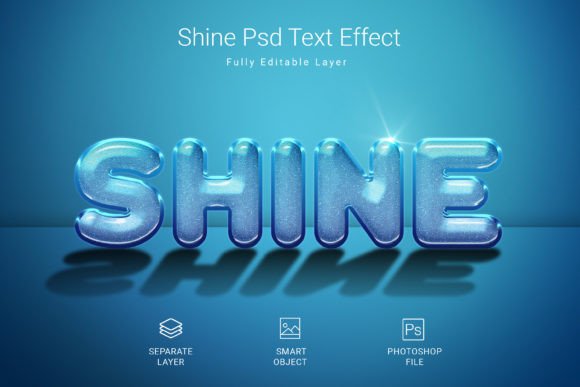
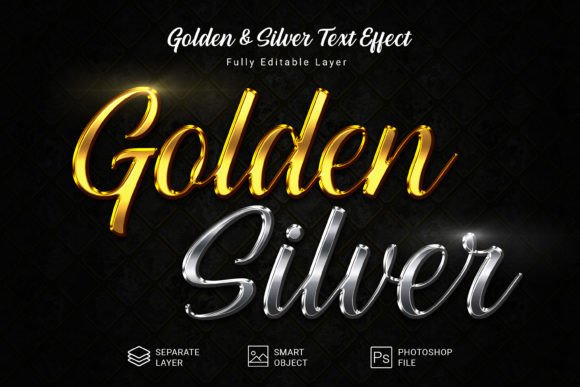
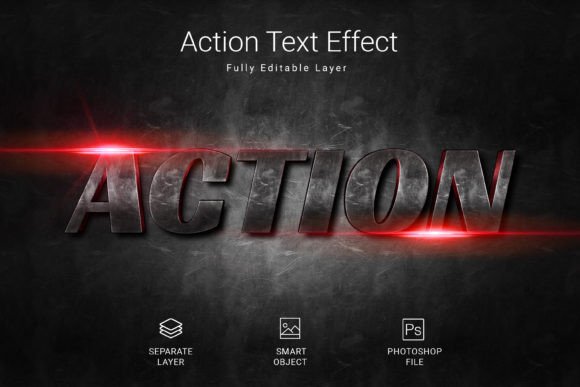
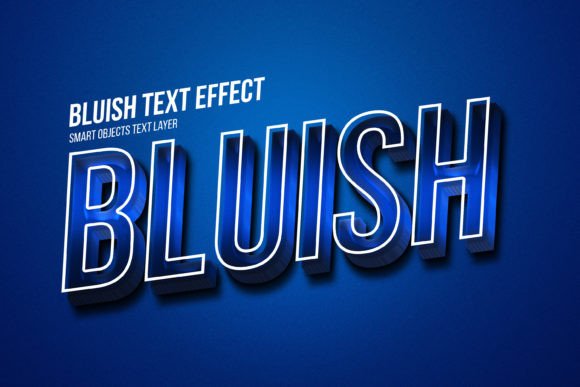
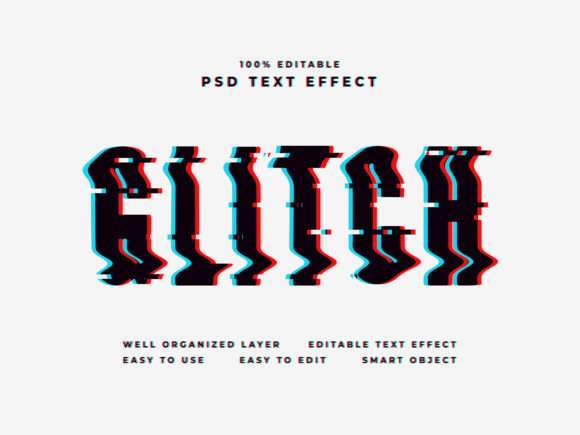
A true glitch effect is more than just slapping a filter over text. It involves nuanced layers of chromatic aberration, scan line interruptions, and subtle displacement that mimic the authentic failures of old CRT monitors or corrupted data streams. Achieving this manually in Photoshop requires a deep understanding of blending modes, channel manipulation, and mask work. The Glitch Text Effect streamlines this entire process into a single, intelligent workflow. It’s not a font you type with, but a sophisticated Photoshop template that applies this intricate effect to your own content with stunning realism.
The real magic lies in its implementation through Smart Objects. This is the cornerstone of its practicality. You simply open the designated Smart Object layer, paste in your text, shape, or logo design, and save. The effect cascades through all the pre-built layers, instantly transforming your flat artwork into a dynamic, glitched-out masterpiece. This method preserves the editability of your original design—you can change fonts, wording, or logos at any point without having to rebuild the effect. For a busy social media manager needing to create a series of cohesive yet eye-catching posts, or a small business owner designing a bold poster, this efficiency is invaluable.
Where Distorted Typography Finds Its Home
The applications for this kind of stylized design asset are surprisingly broad, extending far beyond niche digital art. It’s a tool for making a statement and cutting through the visual noise of modern media.
Branding with an Edge: For a tech startup, music label, podcast, or gaming channel, a glitch effect can become a core part of the visual identity. Imagine a logo that subtly glitches in an animated intro, or a website banner that uses this effect for headlines. It communicates innovation, disruption, and a connection to digital culture. It’s a way to build brand recognition through a distinctive and memorable visual treatment.
Social Media That Stops the Scroll: On platforms like Instagram, TikTok, and YouTube, the first three seconds are everything. A static image with a dynamic glitch effect on its text or focal image creates immediate visual interest. Use it for YouTube thumbnails, Facebook cover photos, Instagram story announcements, or promotional graphics for a new product launch. The effect inherently suggests movement and energy, making your content feel more engaging in a static feed.
Print and Digital Collisions: The style isn’t confined to screens. It translates powerfully to print materials that aim for a modern, urban, or technological feel. Think event posters for a music festival or a tech conference, album artwork, trendy packaging for a beverage or streetwear brand, or even the cover of a magazine focused on digital culture. The high-resolution output ensures that the effect looks sharp and professional, whether viewed on a retina display or printed at a large format.
Integrating the Effect into Your Design Workflow
Adopting a new design asset should enhance your process, not complicate it. Here’s how to think about integrating a tool like this effectively.
Matching Style to Message: The glitch aesthetic carries specific connotations—digital, futuristic, edgy, sometimes retro (think 80s/90s tech). It’s a perfect match for projects related to technology, gaming, music (especially electronic, synthwave, or hip-hop), cybersecurity, or any brand wanting to project a cutting-edge image. It might be less suitable for a law firm’s annual report or a luxury spa’s brochure, where the goal is serene stability and trust. Always consider if the visual language aligns with your project’s core message and audience.
Font Pairing and Readability: The effect itself is complex, so the underlying typography needs to be strong and legible. A bold, clean sans-serif font often works best as the foundation, as its simple geometry allows the glitch effect to shine without creating visual clutter. Avoid overly ornate script fonts, as the distortion can make them illegible. The key is contrast: pair the glitched headline with clean, simple body text elsewhere in your design to maintain hierarchy and readability.
Leveraging the Included Files: A well-packaged asset comes with more than just the core file. The included How to Use PSD Text Effect.pdf is crucial for a quick start. The Help Font.txt file often lists the specific fonts used in the preview, which can save you time in font pairing. The high-resolution Preview Files.jpg are perfect for mood boards or mockups. Understanding these components helps you use the asset to its full potential, ensuring a professional result every time.
The Practical Power of a Polished, Ready-Made Asset
Ultimately, the value of a premium design asset like the Glitch Text Effect is measured in the hours it saves and the quality it guarantees. It democratizes a sophisticated visual effect, allowing a solo entrepreneur to compete with the visual output of a large agency. It provides a consistent, professional look across a campaign, from digital ads to printed flyers, reinforcing brand recognition. By handling the heavy technical lifting, it frees you up to focus on what truly matters: the creative concept, the core message, and the strategic goal of your project. In the fast-paced world of content creation and marketing, having a reliable, high-impact tool in your arsenal isn’t just a convenience—it’s a competitive advantage.