Organizing Your Year: The 2021 Planner Design
There is a specific kind of clarity that comes with a well-structured calendar. It’s more than just a grid of dates; it’s a blueprint for the year ahead, a tool for managing goals, and a canvas for visual planning. When you’re designing a system to track appointments, deadlines, or creative projects, the foundation of that system matters immensely. A thoughtfully crafted planner template can transform the mundane task of scheduling into an organized, visually appealing process that supports productivity and reduces stress throughout the year.
The Anatomy of an Effective Sunday-Start Calendar
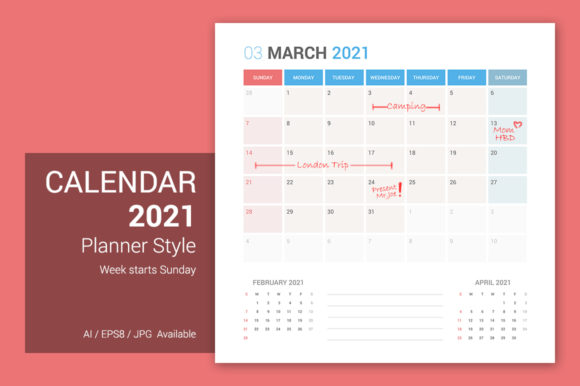
One of the first decisions in calendar design is the starting day of the week. For many, particularly in North America and various other regions, the week begins on Sunday. This format aligns with common cultural and business rhythms, placing the weekend days together at the start of the week. It creates a natural flow where you plan the week ahead beginning with your rest days, then move into the workweek. This Sunday-start structure is intuitive for a large audience, making any planner that uses it immediately more accessible and user-friendly for its intended market.
Beyond the weekly starting point, the physical dimensions and shape of a planner are critical for its final application. A square format, for instance, offers a balanced and modern aesthetic. It works exceptionally well for digital displays, social media posts, and printed materials like wall art or desk calendars that need to stand out without being constrained by traditional portrait or landscape ratios. The generous size of 6250x6250 pixels provides ample resolution for high-quality printing at 53x53 cm (21"x21"), ensuring every detail, from the smallest date number to decorative elements, remains crisp and clear. This large, editable canvas is a designer's playground.
Beyond the Grid: Practical Applications for Creatives
So, how does a high-quality planner template translate into real-world value? The applications are surprisingly diverse, extending far beyond personal organization. For a small business owner or entrepreneur, a branded calendar is a powerful marketing asset. Imagine creating a beautiful, custom calendar for your clients, featuring your logo, brand colors, and key business dates. It’s a practical gift that keeps your brand in front of them all year long. The included AI and EPS files make full customization straightforward—you can alter colors to match your brand palette, adjust layouts, and add your own imagery with complete creative control.
Content creators and social media managers will find immense utility in a separated 12-month file structure. You can design a series of coordinated monthly posts or Instagram Stories without having to rebuild the calendar from scratch each time. The fact that each monthly file includes a peek at the previous and next months is a subtle but powerful feature for maintaining context and planning ahead. For graphic designers, this template serves as a robust starting point for client projects, saving hours of time on the foundational layout work. Use it to design editorial layouts for magazines, create a series of motivational posters, or develop the core visual for a blog's monthly content plan.
The versatility extends into product creation as well. Crafters and hobbyists can use the editable files to design unique planners, journals, or scrapbook pages to sell on platforms like Etsy. The clean, modern design featuring the Roboto font family ensures readability and a professional finish, whether the final product is a digital download or a printed booklet. From wedding invitations with a timeline to project management charts for a team, the underlying grid provides a reliable structure upon which countless creative ideas can be built.
Typography in Action: The Role of the Roboto Font Family
A planner is only as good as its readability. The choice of the Roboto font family for this calendar design is a deliberate and practical one. Roboto is a sans-serif typeface known for its clean lines, geometric forms, and friendly appearance. It was designed with high legibility in mind, making it perfect for a tool where quickly identifying dates and notes is essential. Its modern, neutral character allows it to blend seamlessly into various design styles, from corporate and professional to casual and creative, without overpowering other visual elements.
This font choice also speaks to the importance of consistency in design. Using a cohesive typeface across all twelve months creates a unified look and feel, which is fundamental for building a strong visual identity, whether it's for a personal project or a commercial brand. For designers, having the fully editable AI file means you can explore font pairing if you wish—perhaps using a complementary serif or script font for headers to add a touch of personality. However, starting with a workhorse font like Roboto guarantees that the core content remains exceptionally clear and accessible across all formats, from a small mobile screen to a large printed poster.
Bringing It All Together: From Digital File to Finished Product
The true power of a resource like this lies in its adaptability. The multiple file formats—AI for full editing, EPS for vector scalability, and JPG for quick use—cater to different skill levels and software preferences. This flexibility is crucial for a diverse audience of designers, marketers, and hobbyists. You can start with the JPG for a quick mockup or social media graphic, then dive into the AI file for deep customization. The high-resolution, square canvas gives you the freedom to design for both digital and print without compromise.
Ultimately, a well-executed 2021 planner design is more than a utility; it’s a tool for communication and creativity. It helps streamline personal projects, adds professionalism to business materials, and provides a consistent framework for visual storytelling. By focusing on a user-friendly Sunday-start layout, versatile square dimensions, and clean typography, this planner template becomes a valuable asset in any creative toolkit, ready to be transformed into whatever your project requires. The goal is to make organization not just efficient, but also visually engaging and aligned with your personal or brand aesthetic.